


-

Add: HeBei ShengShi HongBang Cellulose Technology CO.,LTD.
-

Email
13180486930@163.com -

CONTACT US
+86 13180486930




Understanding Wood Composition Cellulose, Hemicellulose, and Lignin Wood is a remarkable natural material that has been utilized by humans for thousands of years, primarily due to its mechanical properties and abundance. Its structure is complex, consisting predominantly of three main biopolymers cellulose, hemicellulose, and lignin. Each of these components plays a critical role in the characteristics and functionalities of wood, making them essential to understand for applications in construction, paper production, biofuels, and more. Cellulose The Backbone of Wood Cellulose is the most abundant organic polymer on Earth and constitutes a significant portion of wood, accounting for about 40-50% of its dry weight. Structurally, cellulose is a linear chain of glucose molecules linked by β-1,4-glycosidic bonds, forming long, strong fibers that provide tensile strength and rigidity to the wood. This strength is crucial for trees, allowing them to grow tall and withstand various environmental stresses. The molecular structure of cellulose enables it to form hydrogen bonds with adjacent cellulose chains, resulting in a crystalline structure that contributes to the hardness and mechanical strength of wood. This feature is why cellulose is extensively used in the paper industry, as it can be processed into high-strength paper products. Furthermore, the properties of cellulose allow for its use in producing renewable materials like bioplastics and composites, aligning with the global trend toward sustainability. Hemicellulose The Support Structure Hemicellulose constitutes about 15-35% of wood's composition. Unlike cellulose, hemicellulose is not a single polymer but a group of heterogeneous polysaccharides with various sugar monomers, including xylose, mannose, and galactose . Hemicellulose is branched, making it less crystalline and more soluble in water compared to cellulose. This structural variance gives hemicellulose significant functional roles in wood. wood composition cellulose hemicellulose lignin Hemicellulose serves as a support structure that complements cellulose, filling the spaces between cellulose fibers and enhancing the overall integrity of the wood. It also plays a crucial role in the binding of cellulose fibers together, contributing to the wood's elasticity and flexibility. In addition, hemicellulose is important during the pulping process in paper manufacturing, as it can be partially removed to improve the quality of the final product. Lignin The Reinforcement Lignin is the most complex and largest component of the wood structure, accounting for about 20-30% of its weight. It is a polyphenolic compound that serves to waterproof and harden the cell walls of wood, contributing to its rigidity and resistance to decay. The unique structure of lignin, which is irregular and highly cross-linked, helps to bind cellulose and hemicellulose together, further reinforcing the wood’s mechanical properties. Lignin’s ability to protect the wood from microbial attack and its role in the water transport system of trees make it vital for plant health and growth. Furthermore, lignin is gaining attention in biorefinery processes as a potential renewable resource for producing biofuels, chemicals, and even biodegradable polymers. Its abundant presence in lignocellulosic biomass makes it a key player in advancing sustainable materials and energy solutions. Conclusion In summary, the wood composition of cellulose, hemicellulose, and lignin plays a pivotal role in defining the material’s physical and chemical properties. Understanding these components not only deepens our appreciation of wood as a natural resource but also opens the door to innovative applications in various industries. As we continue to seek sustainable alternatives to synthetic materials, the insights gained from the study of wood composition will undoubtedly shape the future of material science and environmental stewardship.
- 40000tons

Production
- 20+years

Experience
- 5000+㎡

Acreage

-

Jute synthetic fiber represents a groundbreaking innovation in the textile industry, blending traditional natural fibers with modern synthetic technology to create a versatile and eco-friendly product. Combining the historical significance of jute with the cutting-edge benefits of synthetic fibers, this blend is revolutionizing the textile realm through durability, environmental sustainability, and economic feasibility. Historically, jute has been a staple natural fiber, known for its strength and biodegradability, extensively used in making ropes, sacks, and coarse cloth. The transition to incorporating synthetic elements aims to overcome some of the limitations inherent in natural jute, such as susceptibility to moisture and its relatively coarse texture. By infusing jute with synthetic fibers, manufacturers have managed to retain the desirable properties of natural jute—such as its biodegradability and strength—while enhancing its resilience to wear and tear and offering a smoother texture. In the realm of experience, consumers and industry experts alike note improvements in the tactile experience of jute synthetic fiber products. Unlike pure jute products, the blended fibers offer enhanced comfort and usability in apparel and home textiles, making them more appealing to a broader audience. Users have reported that jute synthetic fiber maintains its structure and appearance even after prolonged use, offering a longer-lasting alternative to traditional jute products. From an expert perspective, the synthesis of jute with synthetic materials involves advanced technological processes and precise scientific formulations to ensure that the integrity of the natural fiber is maintained while enhancing its properties. Manufacturers are utilizing state-of-the-art technologies like nanotechnology to achieve fiber uniformity and strength. This includes controlling the molecular amalgamation of synthetic polymers with jute at microscopic levels to precisely tailor the fabric’s properties, such as elasticity, texture, and water resistance. jute synthetic fibre The authoritativeness of jute synthetic fiber in the industry is backed by numerous studies and endorsements from environmental organizations. With increasing global emphasis on reducing natural resource exploitation and minimizing environmental footprints, this hybrid fiber addresses crucial sustainability issues. Studies have evidenced that products made from jute synthetic fiber require less water and pesticides during crop cultivation compared to cotton and other natural fibers, and the lifecycle analysis shows a reduction in carbon emissions due to its enhanced durability and recyclability. Trustworthiness comes from the transparent production processes adopted by companies pioneering this material. Leading firms are investing in open-source research and collaborating with environmental NGOs to ensure ethical sourcing and manufacturing processes, thus providing end consumers with products they can trust. Certifications from international textile standard organizations further cement the reliability of jute synthetic fibers as a sustainable choice in an increasingly eco-conscious market. In product-specific applications, jute synthetic fibers are gaining traction in a variety of areas . In the fashion industry, they are used to create eco-friendly clothing and accessories that are not only stylish but come with enhanced longevity and are kinder to the environment compared to conventional materials. In furnishings, they are utilized for making carpets and curtains that combine the rustic appeal of natural jute with the sleek finish and robustness inherent in synthetic fibers. Additionally, this unique fiber blend has found applications in industrial sectors for producing geotextiles, which aid in erosion control and landscaping, offering an economically viable and environmentally sustainable option. Ultimately, the fusion of jute with synthetic fiber is more than just a trend; it’s a response to modern demands for sustainability, performance, and responsibility within the textile industry. As both industries and consumers pivot towards more sustainable choices, jute synthetic fiber stands at the forefront, providing innovative solutions that marry the past's practicality with the future's innovation. Whether you're a manufacturer, designer or consumer, the adoption of jute synthetic fiber signifies not just an investment in quality and sustainability, but also a commitment to supporting a more environmentally friendly and socially responsible future.
-
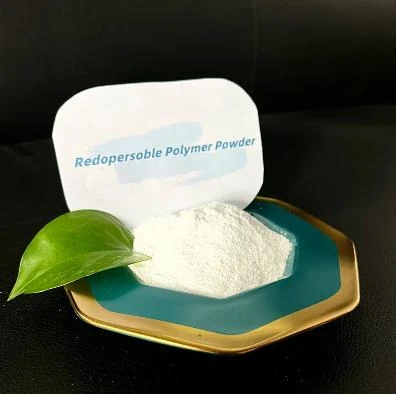
In the ever-evolving construction industry, materials that enhance performance, longevity, and efficiency are in high demand. Hydroxypropyl methylcellulose , a premium additive, has cemented its place as a key ingredient in the formulation of mortar, coatings, and wall putty. Its exceptional qualities impact everything from application ease to durability, making it indispensable for professionals who value precision and quality. Hydroxypropyl Methylcellulose: How it Affects Mortar and Coatings In construction projects, every detail matters, including the sequence in which additives like hydroxypropyl methylcellulose are introduced. The order of addition plays a crucial role in determining the consistency, workability, and performance of mortar and coatings. When hydroxypropyl methylcellulose is added directly to water before mixing with other components, it dissolves efficiently, forming a uniform solution. This step ensures that the additive can fully develop its water-retention properties, resulting in consistent viscosity and enhanced ease of application. Conversely, if added too late, its dispersion may become uneven, affecting the overall quality of the mixture. Builders who buy hydroxypropyl methylcellulose should follow precise mixing instructions to maximize its benefits. Correctly incorporating this additive into coatings improves spreadability and adhesion, ensuring a smooth application and long-lasting results. Enhancing Durability and Anti-Aging Properties with Hydroxypropyl Methylcellulose Durability is a fundamental requirement for building materials, and hydroxypropyl methylcellulose plays a pivotal role in achieving this. By enhancing water retention during the curing process, this additive prevents premature drying, reducing the risk of cracking and structural flaws. This controlled hydration significantly boosts the long-term performance of materials like mortar, coatings, and wall putty. In terms of anti-aging properties, hydroxypropyl methylcellulose acts as a shield, protecting materials from the damaging effects of environmental factors such as moisture, temperature changes, and UV radiation. Materials treated with hydroxypropyl methylcellulose exhibit improved elasticity, ensuring they can withstand daily wear and tear without losing integrity. When applied to wall putty, for example, this additive prevents shrinkage while maintaining a smooth, crack-free surface. Builders seeking enhanced durability and aesthetic appeal should consider sourcing this innovative material from a trusted hydroxypropylmethylcellulose supplier . Behavior of Hydroxypropyl Methylcellulose in Building Materials The adaptability of hydroxypropyl methylcellulose is one of its standout features, allowing it to blend seamlessly with diverse formulations. Its water-retention capabilities improve consistency, making it easier to achieve a flawless finish with minimal effort. Additionally, hydroxypropyl methylcellulose in wall putty significantly enhances bonding strength, ensuring that the applied surface remains intact and durable over time. Under wet conditions, hydroxypropyl methylcellulose provides remarkable stability. It prevents material degradation, supports long-term adhesion, and facilitates uniform drying. This makes it ideal for construction projects in humid environments or those subject to heavy rainfall. Furthermore, its compatibility with various raw materials makes it an essential choice for manufacturers looking to improve product quality across multiple applications. Trusted Hydroxypropylmethylcellulose Supplier for Reliable Performance The benefits of hydroxypropyl methylcellulose depend not only on its unique properties but also on the quality of the product itself. For construction professionals and manufacturers aiming to achieve superior results, sourcing this material from a trusted hydroxypropylmethylcellulose supplier is essential. Our company provides premium-grade hydroxypropyl methylcellulose , ensuring consistency, reliability, and unmatched performance in every batch. Whether you’re formulating advanced coatings, preparing wall putty, or developing high-performance mortar, our product delivers measurable benefits across all applications. When you buy hydroxypropyl methylcellulose from us, you’re not just purchasing an additive—you’re investing in quality and long-lasting results. With our industry expertise and commitment to excellence, we’ve become a go-to supplier for construction professionals worldwide. Hydroxypropyl Methylcellulose: Building the Foundations of Excellence As modern construction continues to push the boundaries of performance and sustainability, hydroxypropyl methylcellulose remains a cornerstone for success. From improving the workability and durability of materials to offering unmatched resistance against aging and environmental damage, its role is pivotal in achieving next-level construction results. Whether you’re a builder aiming to enhance the durability of your projects or a manufacturer striving for innovation, incorporating hydroxypropyl methylcellulose is a step toward redefining quality. Partner with a trusted hydroxypropylmethylcellulose supplier today and experience the transformative power of this remarkable additive. Choose the right product. Choose the best partner. Choose hydroxypropyl methylcellulose .
advantages
-

200000 Viscosities
Excellent product
We can produce pure products up to 200,000 viscosities
-

40000 tons
High yield
We don’t stop production all year round, and the annual output can reach 40,000 tons
-

24 hours
Quality service
We provide 24-hours online reception service, welcome to consult at any time
———— Inquiry Form
Schedule A services

-
 is_cellulose_wood_pulp
Oct . 25, 2025
Hydroxypropyl methylcellulose (HPMC) E15 is a versatile polymer used widely in various industries du -
 thermoplastic_polyurethane_powder
Oct . 25, 2025
Exploring the World of Fibers A Dive into Natural and Synthetic Choices In the ever-evolving landsca -
 pp_macro_fiber
Oct . 25, 2025
Polypropylene fiber, often referred to as PP fiber, is revolutionizing a multitude of industries wit


